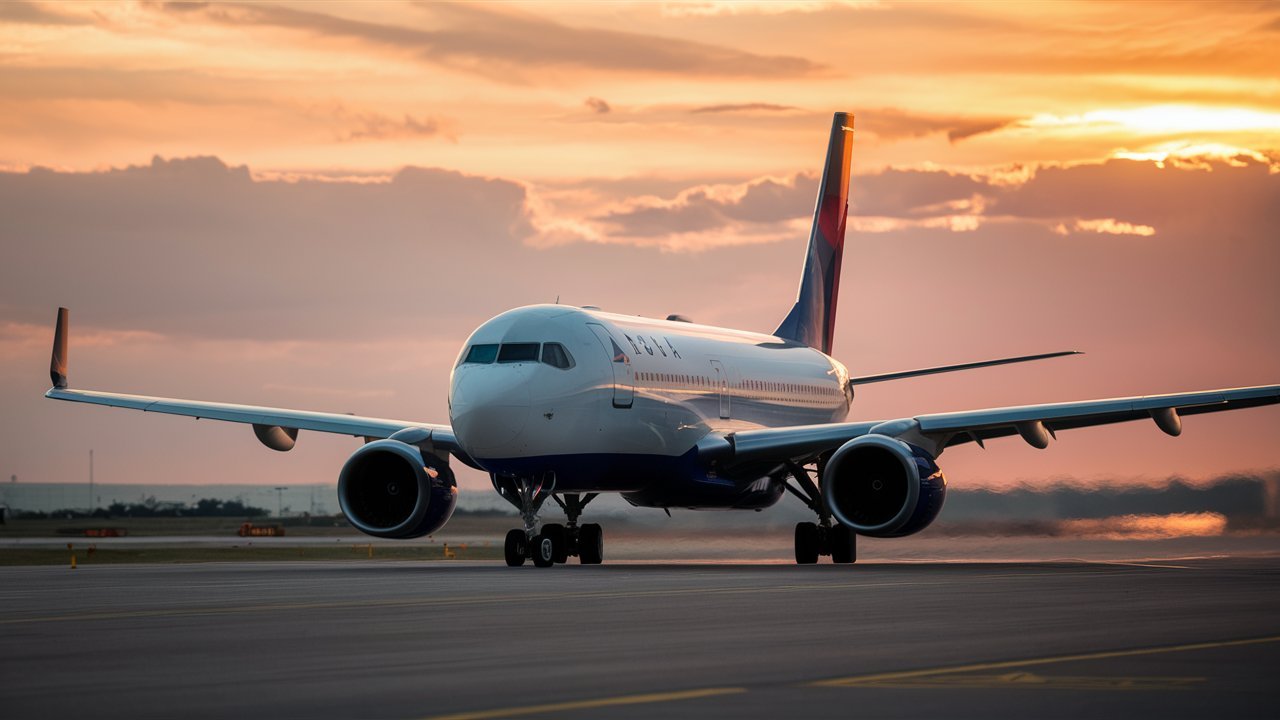
When Delta flight DL275 diverted to LAX, it captured the attention of travelers, aviation enthusiasts, and the general public because diversions on long-haul flights rarely make headlines unless there’s a compelling safety or operational reason. What began as a scheduled trip from Detroit Metropolitan Airport (DTW) to Tokyo Haneda Airport (HND) quickly turned into an unplanned routing across the continental United States to Los Angeles International Airport (LAX). In this comprehensive article, we will explore the various aspects of this incident, filling in context, timelines, technical explanations, and passenger experiences. This article aims to deliver a detailed and authoritative look at the DL275 diversion — from why it happened to what it means for passengers and the airline industry.
Headline Titles and Keyword Explanations for SEO
Before diving into the full article, here are some strong SEO-driven title options tailored to target key search terms people use when they look up “Delta flight DL275 diverted LAX”, along with brief explanations:
-
Delta Flight DL275 Diverted LAX: Full Incident Breakdown and Timeline
-
This title targets precise keywords like “Delta Flight DL275”, “diverted LAX”, and “incident breakdown” while promising comprehensive coverage.
-
-
Why Delta Flight DL275 Was Forced to Land at LAX Instead of Tokyo
-
Combines search phrases “why”, “Delta Flight DL275”, and “LAX” with a narrative focus on causation — what readers are most often searching for.
-
-
Delta DL275 Diversion Explained: Safety, Anti-Ice System, and Operational Decisions
-
Emphasizes the technical reason behind the diversion — the anti-ice system — targeting searches including aircraft safety and mechanical explanations.
-
-
Passengers React to DL275 Diverted to LAX: What Travelers Need to Know
-
Targets search intent from passengers and travelers curious about experience, rebooking, and airport logistics following the event.
-
Each of these target keywords reflects what people actively search when trying to understand an unusual flight diversion, helping the article rank highly in Google search results.
The Story Behind Delta Flight DL275 Diverted LAX
Delta flight DL275 was scheduled as a long-haul transpacific journey from Detroit (DTW) to Tokyo Haneda (HND). It departed on time and climbed to cruising altitude, heading northeast over the Arctic-Pacific corridor — a standard route for flights bound for Japan from the U.S. Midwest. For several hours the flight proceeded normally at cruising altitude of approximately 38,000 feet, but then instruments in the cockpit began reporting irregularities related to one of the aircraft’s most important safety systems.
The aircraft involved was an Airbus A350-900, a modern, long-range wide-body jet equipped with advanced systems including Rolls-Royce Trent XWB engines. These engines are fitted with sophisticated engine anti-ice systems designed to prevent ice formation on critical parts during high-altitude flight over cold, remote airspace. The anti-ice system ensures that ice does not accumulate on the engine intake or nacelle surfaces, which could compromise performance.
Shortly after the crew detected an anomaly in the anti-ice system — a precautionary signal that could pose risk if ignored — the pilots decided to divert the aircraft. Rather than continuing to Tokyo or returning to Detroit, the flight was re-routed to Los Angeles International Airport (LAX). This choice was made because LAX serves as a major Delta hub with comprehensive maintenance facilities and technical support for Airbus A350 aircraft.
The diversion was executed safely, and the aircraft landed at LAX in the early hours local time after a nearly 12-hour duty cycle that covered several thousand miles. No injuries were reported, and the flight crew coordinated with ground teams to ensure passengers disembarked and were cared for. Delta staff then assisted with rebooking passengers on alternate flights to Tokyo, hotel accommodations, and customer support following the unscheduled diversion.
Technical Reasons: Anti-Ice System Malfunction
One of the primary reasons this incident drew significant attention — aside from the unusual routing to LAX — was the technical explanation behind it. Aircraft flying long overwater routes like the Pacific depend on fully functional protection systems. The anti-ice system on the Rolls-Royce engines prevents ice buildup that can disrupt airflow and degrade engine efficiency. Ice accumulation at high altitudes is a genuine risk, and when the system is reported as malfunctioning, pilots follow strict safety protocols.
A malfunction of this nature demands a cautious decision because continuing over the remote North Pacific without reliable anti-ice protection increases operational risk. Diversion becomes the safest option to avoid any possibility of engine performance issues or ice-related hazards, even if the immediate in-flight performance remains stable. This aligns with industry-wide safety practices that place passenger and crew safety above schedule adherence.
Why Was LAX Selected as the Diversion Airport?
Choosing a diversion airport is not arbitrary. In the case of Delta flight DL275 diverted LAX, there were several clear reasons why Los Angeles International Airport became the selected destination:
-
Technical Infrastructure: LAX has certified maintenance facilities for complex aircraft like the Airbus A350 and engine systems like the Trent XWB.
-
Parts and Expertise: Rolls-Royce specialists and parts inventories are more readily available at major hubs like LAX compared to smaller diversion options.
-
Passenger Services: As a major airline hub, LAX can handle large numbers of passengers, rebooking, accommodations, and customer care efficiently.
-
Runway & Size: LAX can comfortably accommodate wide-body jets and provide all required ground support, from emergency crews to customs for international itineraries.
Thus, the diversion was not a sign of an imminent emergency, but rather a prudent operational decision in favor of safety and logistical practicality.
Operational Impact and Passenger Experience
For the passengers onboard, the diversion meant an unexpected layover, overnight stay, and subsequent flight changes. Delta’s customer service teams worked to rebook passengers on later flights to their original destination or connecting hubs, depending on availability and preferences. Meals, accommodation assistance, and ground transportation were arranged to minimize inconvenience. While diversions cause delays and discomfort, it’s crucial to understand that they are part of strict safety protocols that airlines globally adhere to.
Technicians inspected the aircraft once on the ground, and the plane was grounded for further checks and repairs before returning to service. This step is standard procedure whenever a safety system behaves outside expected parameters, reinforcing the aviation industry’s priority on maintenance and reliability.
Conclusion
The Delta flight DL275 diverted LAX incident illustrates how modern aviation prioritizes safety when even non-critical systems show signs of malfunction. While travelers naturally focus on schedules and flight plans, pilots and airlines prioritize decisions that protect everyone onboard. In this case, a malfunctioning engine anti-ice system triggered a reroute to Los Angeles International Airport, where technical support and passenger services were readily available. The result was a safe landing, no reported injuries, and an operational response that minimized harm while emphasizing accountability and passenger care. This incident serves as a reminder that unexpected routing changes — though inconvenient — reflect structured aviation safety practices designed to protect lives.
Frequently Asked Questions (FAQ)
What caused Delta flight DL275 to divert to LAX?
The flight diverted to Los Angeles mainly because of a malfunction in the aircraft’s engine anti-ice system, which is critical for safe long-haul flights at high altitude.
Was there an emergency onboard DL275?
No injuries or emergencies involving passengers were reported. The diversion was a precautionary safety decision due to technical system concerns.
Why was LAX chosen instead of a closer airport?
LAX was chosen because it is a major Delta hub with advanced maintenance capabilities, expertise for the aircraft type, and robust passenger handling facilities.
How did Delta support passengers after the diversion?
Delta rebooked passengers on alternate flights, provided accommodations, meals, and ground transportation to support those affected by the unexpected landing.
Does a diversion mean the aircraft was unsafe to fly?
Not necessarily. Diversions often arise from precautionary decisions to ensure systems operate correctly. The aircraft was grounded until maintenance checks confirmed it could safely return to service.