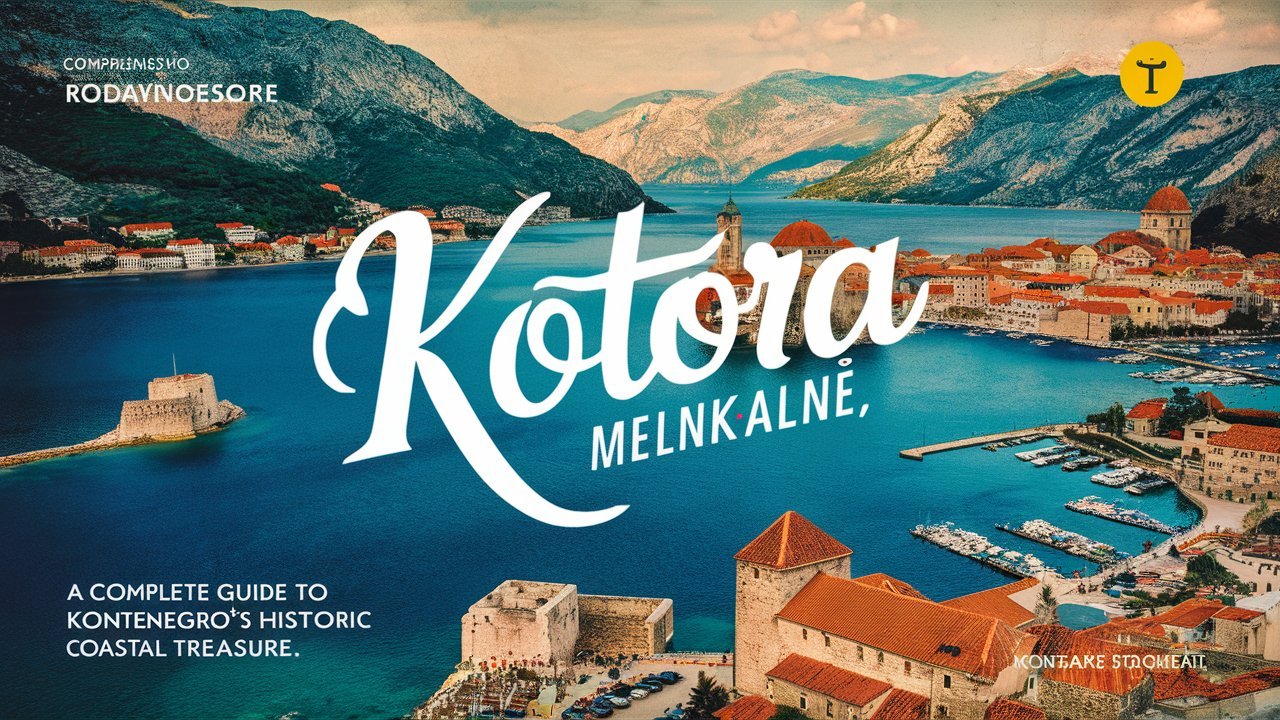
We present Kotora Melnkalne, the local-language reference to Kotor, Montenegro, as one of the most remarkable historic destinations on the Adriatic coast. Nestled between dramatic limestone mountains and the serene waters of the Bay of Kotor, Kotora Melnkalne represents a rare blend of medieval heritage, maritime tradition, natural beauty, and contemporary tourism appeal. This destination is not only a cultural landmark but also a strategic crossroads of civilizations that have shaped its architecture, customs, and identity over centuries. By exploring Kotora Melnkalne in depth, we uncover why it continues to attract travelers, historians, and culture enthusiasts from around the world.
Understanding Kotora Melnkalne and Its Geographic Significance
Location and Natural Setting of Kotora Melnkalne
Kotora Melnkalne is located in southwestern Montenegro along the Bay of Kotor, often described as Europe’s southernmost fjord. The city is surrounded by steep mountains that create a natural fortress, protecting it from invasions while offering breathtaking panoramic views. This unique geography has influenced Kotor’s development as a fortified maritime city and remains one of its strongest attractions today. The calm bay waters have historically supported trade, naval defense, and seafaring culture, all of which continue to define the city’s character.
Strategic Importance Through History
The strategic position of Kotora Melnkalne made it a coveted stronghold for various empires, including the Romans, Byzantines, Venetians, and Austro-Hungarians. Each ruling power contributed layers of architectural, legal, and cultural influence, transforming Kotor into a living historical archive. The city’s fortifications, walls, and citadel structures reflect centuries of military planning and urban resilience.
Historical Heritage of Kotora Melnkalne
The Old Town of Kotor
The Old Town of Kotora Melnkalne is a UNESCO World Heritage Site renowned for its preserved medieval layout. Narrow stone streets, hidden squares, and Romanesque churches create an immersive historical environment. The city walls, extending from the old harbor to the mountain fortress, demonstrate the engineering sophistication of past civilizations. Walking through the Old Town reveals layers of history embedded in every archway, façade, and courtyard.
Religious and Cultural Landmarks
Kotora Melnkalne is home to significant religious monuments, including the Cathedral of Saint Tryphon, one of the oldest cathedrals in the Adriatic region. Numerous churches, monasteries, and palaces reflect the city’s spiritual and aristocratic past. These landmarks are not only architectural masterpieces but also repositories of art, manuscripts, and local traditions that continue to influence modern cultural life.
Cultural Identity and Traditions of Kotora Melnkalne
Maritime Heritage and Seafaring Legacy
The maritime tradition of Kotora Melnkalne is deeply ingrained in its identity. For centuries, Kotor was a prominent naval center with skilled sailors and shipbuilders. Maritime museums and preserved palaces of sea captains highlight the city’s historical relationship with the sea. This heritage remains visible in festivals, folklore, and the pride locals take in their nautical history.
Festivals and Local Celebrations
Cultural festivals play a vital role in preserving the spirit of Kotora Melnkalne. Events such as traditional carnivals, religious processions, and music festivals attract international audiences while maintaining local authenticity. These celebrations offer insight into the customs, costumes, and communal values that define Kotor’s social fabric.
Tourism and Travel Experience in Kotora Melnkalne
Why Travelers Visit Kotora Melnkalne
Tourism in Kotora Melnkalne is driven by its harmonious combination of history and nature. Visitors are drawn to the city’s scenic landscapes, architectural heritage, and relaxed coastal atmosphere. Cruise tourism has increased global visibility, introducing Kotor to travelers seeking authentic European destinations beyond mainstream routes.
Outdoor Activities and Scenic Exploration
Beyond historical exploration, Kotora Melnkalne offers diverse outdoor experiences. Hiking trails leading to the Fortress of San Giovanni provide panoramic views of the bay, rewarding visitors with unforgettable scenery. Kayaking, boat tours, and coastal walks allow travelers to engage directly with the natural environment, enhancing the overall experience.
Local Cuisine and Gastronomy of Kotora Melnkalne
The culinary identity of Kotora Melnkalne reflects Mediterranean and Balkan influences. Seafood dishes, olive oil-based recipes, fresh vegetables, and regional wines dominate local menus. Traditional cuisine emphasizes simplicity, quality ingredients, and seasonal availability. Dining in Kotor offers both cultural immersion and sensory enjoyment, reinforcing the city’s reputation as a well-rounded destination.
Economic and Modern Development of Kotora Melnkalne
While deeply rooted in history, Kotora Melnkalne continues to evolve. Sustainable tourism initiatives, heritage conservation projects, and infrastructure improvements support economic growth while protecting cultural integrity. The balance between preservation and modernization remains central to the city’s development strategy, ensuring long-term appeal and community well-being.
Why Kotora Melnkalne Stands Out Among Adriatic Destinations
What distinguishes Kotora Melnkalne from other Adriatic cities is its dramatic setting, compact historic core, and authenticity. Unlike larger coastal hubs, Kotor retains a sense of intimacy and continuity with its past. This uniqueness positions it as a destination that appeals equally to casual travelers, scholars, photographers, and cultural explorers.
Conclusion: The Lasting Appeal of Kotora Melnkalne
We recognize Kotora Melnkalne as more than a travel destination; it is a living testament to history, resilience, and cultural richness. Its fortified walls, maritime legacy, and breathtaking landscapes create a cohesive narrative that continues to inspire visitors. By preserving its heritage while embracing thoughtful development, Kotora Melnkalne secures its place as one of the Adriatic’s most treasured cities.
Frequently Asked Questions (FAQ)
What does Kotora Melnkalne refer to?
Kotora Melnkalne refers to Kotor, Montenegro, using a regional or linguistic variation of the city’s name.
Why is Kotora Melnkalne historically important?
Its strategic location and centuries of rule by different empires shaped its fortified architecture and cultural heritage.
Is Kotora Melnkalne a UNESCO World Heritage Site?
Yes, the Old Town of Kotor is recognized as a UNESCO World Heritage Site for its preserved medieval architecture.
What is the best way to explore Kotora Melnkalne?
Exploring on foot, combined with hiking and boat tours, provides a comprehensive experience of history and nature.
What makes Kotora Melnkalne unique compared to other coastal cities?
Its dramatic mountain setting, intact medieval core, and strong maritime traditions set it apart from other Adriatic destinations.