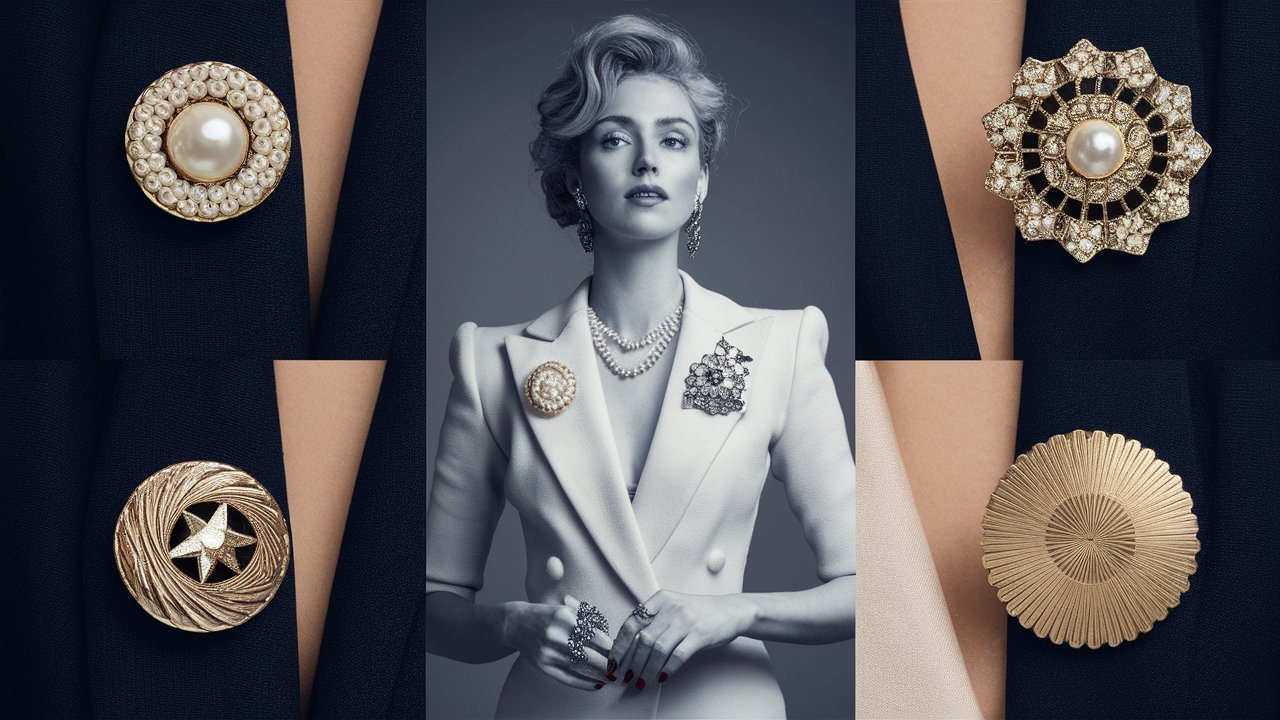
Sagės, known internationally as brooches, are more than decorative accessories; they are enduring symbols of elegance, heritage, and personal identity. Throughout history, sagės have represented status, artistry, and craftsmanship while serving as both functional fasteners and expressive fashion statements. Today, sagės continue to evolve in design, materials, and cultural significance, making them essential pieces in contemporary wardrobes. We explore the refined beauty, historical relevance, and modern resurgence of sagės while providing comprehensive insight into how to select, style, and preserve these timeless adornments.
SEO-Optimized Title Variations with Keywords and Explanation
-
“Sagės: Elegant Brooch Designs for Timeless Fashion and Style”
Keywords: sagės, elegant brooch designs, timeless fashion
This title targets fashion enthusiasts seeking premium and classic brooch styles that transcend trends. -
“Luxury Sagės and Handcrafted Brooches: A Guide to Modern Jewelry Trends”
Keywords: luxury sagės, handcrafted brooches, modern jewelry trends
This variation focuses on upscale consumers searching for exclusive, artisan-made pieces. -
“Vintage and Contemporary Sagės: Symbolism, Materials, and Styling Tips”
Keywords: vintage sagės, contemporary brooches, symbolism, styling tips
This title appeals to readers interested in history, meaning, and practical fashion guidance. -
“How to Choose the Perfect Sagė: Design, Quality, and Craftsmanship Explained”
Keywords: choose sagė, design, quality, craftsmanship
This version captures buyers actively looking for purchasing advice and quality assessment.
The Rich History and Cultural Importance of Sagės
Sagės have adorned garments since ancient civilizations, where they functioned as practical fasteners securing cloaks and robes. In regions across Europe and the Baltics, sagės became symbols of tribal identity, wealth, and artistic mastery. Archaeological discoveries reveal intricately crafted bronze, silver, and gold sagės embellished with gemstones and enamel, reflecting remarkable metallurgical skills. During the Renaissance and Victorian eras, sagės transformed into elaborate jewelry pieces featuring intricate filigree work, pearls, and precious stones. These brooches often carried sentimental value, symbolizing love, remembrance, or allegiance. Today, sagės continue to bridge the past and present, merging heritage craftsmanship with modern aesthetics.
Materials and Craftsmanship in Premium Sagės
The quality of sagės depends largely on the materials and artistry behind their creation. Gold sagės represent luxury and durability, offering resistance to tarnish while maintaining a radiant finish. Silver sagės provide timeless elegance with versatile appeal, often featuring oxidized details for depth and contrast. Contemporary designers also incorporate stainless steel, brass, and innovative alloys to create accessible yet refined pieces.
Gemstones elevate sagės to heirloom status. Diamonds symbolize brilliance and endurance, while amber sagės carry organic warmth and historical resonance, particularly in Baltic traditions. Enamel techniques add vivid color and intricate detail, demanding precision and experience from artisans. Handcrafted sagės reflect meticulous attention to detail, ensuring each curve, engraving, and fastening mechanism meets exacting standards. Craftsmanship is evident in smooth pin closures, secure clasps, and balanced weight distribution, guaranteeing comfort and durability.
Modern Sagės in Contemporary Fashion
Modern sagės have transcended traditional placement on lapels. Designers now incorporate brooches into innovative styling concepts, transforming them into statement pieces for dresses, scarves, hats, handbags, and even footwear. Minimalist sagės with geometric forms complement professional attire, while oversized artistic designs enhance evening ensembles. We embrace sagės as versatile accessories that add dimension and individuality to any look.
In corporate settings, sleek metallic sagės project confidence and refinement. For weddings and formal events, gemstone-encrusted sagės introduce sparkle and sophistication. Casual fashion also welcomes sagės, as denim jackets and knitwear gain character through subtle decorative accents. This adaptability explains why sagės remain relevant in ever-changing fashion landscapes.
Vintage Sagės and Their Investment Value
Collectors prize vintage sagės for their rarity, craftsmanship, and historical significance. Antique brooches often feature hand-cut stones, intricate engraving, and materials no longer widely used in modern manufacturing. Hallmarks and maker’s marks authenticate origin and era, increasing collectible value. Investing in vintage sagės requires attention to condition, provenance, and authenticity.
We recognize that well-preserved antique sagės appreciate over time, particularly pieces from renowned jewelry houses or distinct historical periods. Proper appraisal ensures accurate valuation, while careful storage maintains structural integrity and aesthetic appeal. Vintage sagės are not merely accessories; they are wearable art with enduring worth.
How to Choose the Perfect Sagė
Selecting the ideal sagė involves evaluating several essential factors. First, consider design harmony with personal style and wardrobe. A minimalist aesthetic pairs best with subtle, streamlined brooches, while bold personalities may prefer elaborate, artistic pieces. Second, assess material quality, ensuring metals are hypoallergenic and resistant to corrosion. Third, examine craftsmanship, including clasp security and stone setting precision.
Size and placement influence visual impact. Larger sagės command attention on coats and blazers, whereas delicate pieces suit blouses and lightweight fabrics. Occasion also determines choice; understated designs suit professional environments, while ornate sagės enhance celebratory attire. By prioritizing design, quality, and versatility, we ensure our sagės collection remains both functional and expressive.
Symbolism and Personal Expression Through Sagės
Sagės often carry symbolic meaning. Floral motifs represent growth and beauty, animal designs signify strength or freedom, and geometric shapes convey modern sophistication. Cultural patterns preserve heritage and identity, transforming sagės into meaningful heirlooms. Personalized sagės engraved with initials or dates commemorate milestones and achievements.
We value sagės not only as decorative accents but also as storytellers. Each piece can represent a memory, aspiration, or belief, allowing wearers to communicate subtly yet powerfully through design.
Caring for Sagės: Preservation and Maintenance
Maintaining sagės ensures longevity and sustained brilliance. Regular cleaning with a soft cloth removes oils and residue, while specialized solutions preserve metal integrity. Gemstone sagės require gentle handling to prevent loosening or chipping. Storage in lined jewelry boxes protects against scratches and humidity damage.
Periodic professional inspections identify structural weaknesses in clasps or settings. Proper care safeguards investment and sentimental value, enabling sagės to be passed down through generations as treasured keepsakes.
Sagės as Gifts: A Meaningful Gesture
Gifting sagės symbolizes thoughtfulness and appreciation. Birthdays, anniversaries, graduations, and cultural celebrations become more memorable with a carefully selected brooch. Custom designs add exclusivity, reflecting personal taste and emotional connection. We consider sagės timeless gifts that balance elegance with profound sentiment.
Conclusion: The Enduring Allure of Sagės
Sagės remain unparalleled in their ability to merge functionality, artistry, and symbolism. From ancient fasteners to contemporary fashion statements, these brooches have evolved while preserving their cultural and aesthetic significance. By understanding materials, craftsmanship, styling techniques, and preservation methods, we elevate sagės beyond simple accessories into enduring expressions of elegance and identity. Investing in quality sagės enriches personal style and connects us to centuries of artistic heritage.
Frequently Asked Questions (FAQ)
What are sagės used for today?
Sagės are primarily decorative brooches used to enhance clothing and accessories, adding elegance and personal expression.
How can we identify authentic vintage sagės?
Look for hallmarks, craftsmanship details, and provenance documentation to verify authenticity and historical origin.
Which materials are best for durable sagės?
Gold, sterling silver, and stainless steel provide longevity and resistance to tarnish.
Are sagės suitable for everyday wear?
Yes, minimalist and lightweight sagės are ideal for daily styling without compromising comfort.
How should sagės be stored?
Store sagės in individual compartments within lined jewelry boxes to prevent scratches and moisture exposure.