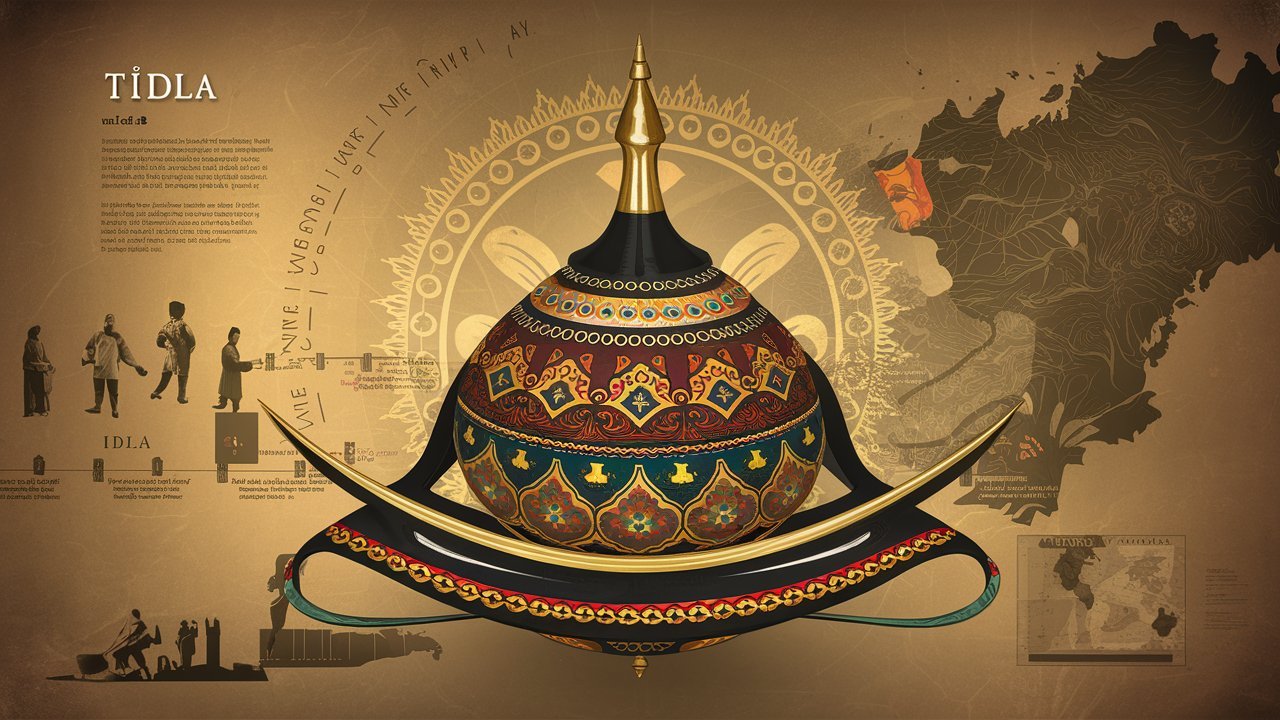
Türk İdla represents a concept deeply rooted in cultural identity, historical development, and social interpretation. Whether examined from a historical, linguistic, or sociocultural perspective, Türk İdla reflects layers of meaning that connect tradition with modern identity. In an era where cultural heritage is increasingly explored and redefined, understanding Türk İdla provides valuable insight into evolving narratives of national and collective consciousness. Through this comprehensive guide, we explore its origins, contextual interpretations, and the role it plays in shaping contemporary discussions.
The Meaning of Türk İdla
The phrase Türk İdla carries a strong linguistic and cultural resonance. While interpretations may vary depending on context, it generally reflects a symbolic or conceptual representation associated with Turkish identity, heritage, or cultural expression. The term itself invites exploration into language evolution and how terminology becomes intertwined with identity formation. In many cases, expressions like Türk İdla gain prominence not solely because of literal translation but because of the cultural narratives that surround them.
Language serves as a bridge between past and present, and Türk İdla demonstrates how terminology can evolve into a broader cultural marker. Understanding its meaning requires attention to historical references, contextual usage, and the social frameworks that give it relevance.
Historical Roots of Türk İdla
To fully appreciate Türk İdla, it is essential to examine its historical background. Turkish history is rich with traditions, migrations, empires, and cultural transformations that have shaped national identity over centuries. Concepts similar to Türk İdla often emerge from periods of social consolidation, cultural pride, or ideological development. As societies grow and redefine themselves, key phrases and symbolic terms gain deeper significance.
Throughout history, Turkish communities have emphasized unity, resilience, and cultural preservation. Terms reflecting these values become part of the collective vocabulary. Türk İdla, in this sense, can be viewed as part of a broader historical continuum that reflects identity, strength, and continuity.
Cultural Significance of Türk İdla
The cultural dimension of Türk İdla extends beyond language into social practices, artistic expressions, and collective memory. Cultural symbols function as anchors of belonging, and Türk İdla may represent such an anchor in specific contexts. Whether in literature, social discourse, or academic analysis, culturally significant phrases reinforce shared identity and common heritage.
Cultural significance is not static; it evolves alongside society. As modern generations reinterpret traditional expressions, the meaning of Türk İdla can expand or adapt. This dynamic quality ensures that cultural symbols remain relevant and continue to inspire discourse.
Türk İdla and National Identity
National identity is often shaped by shared narratives, collective experiences, and linguistic markers. Türk İdla can be examined within this framework as a representation of unity and belonging. Identity-related terminology strengthens social cohesion by providing a common reference point. When individuals associate themselves with such expressions, they participate in a larger cultural dialogue that transcends individual experience.
In contemporary contexts, discussions around identity often involve balancing historical tradition with modern perspectives. Türk İdla may symbolize this balance, reflecting continuity while allowing reinterpretation. This duality enhances its relevance in both historical study and current cultural discussions.
Modern Interpretations of Türk İdla
In today’s interconnected world, cultural expressions frequently gain new interpretations. Türk İdla may be referenced in academic studies, online discussions, or community initiatives exploring heritage and identity. Modern interpretations often emphasize inclusivity, diversity within tradition, and the importance of cultural awareness in a globalized environment.
As technology amplifies cultural dialogue, phrases like Türk İdla can reach broader audiences and inspire renewed interest in heritage. Social media platforms, academic forums, and cultural events provide spaces where such terminology is revisited and redefined. This ongoing reinterpretation ensures continued relevance.
The Role of Tradition in Shaping Türk İdla
Tradition plays a foundational role in shaping expressions linked to cultural identity. Türk İdla tradition may encompass values such as solidarity, respect for history, and communal pride. Traditions serve as transmission channels through which cultural knowledge is passed from one generation to the next. When terminology is embedded in tradition, it gains durability and symbolic weight.
Communities often preserve significant terms through storytelling, ceremonies, and education. By maintaining awareness of heritage, societies ensure that culturally meaningful expressions remain active components of identity.
Social Influence and Broader Impact
Beyond individual identity, Türk İdla may influence broader social dynamics. Cultural terminology can shape public discourse, inspire artistic expression, and contribute to national conversations. Writers, scholars, and cultural leaders often engage with symbolic phrases to explore themes of belonging, resilience, and heritage.
The broader impact of such expressions lies in their ability to unify diverse communities under shared values. Even as society evolves, foundational cultural markers continue to provide continuity and stability.
Why Understanding Türk İdla Matters
Understanding Türk İdla is important because it highlights how language and culture interact to shape collective identity. Cultural literacy strengthens mutual respect and appreciation for historical narratives. By examining the roots and relevance of such expressions, individuals gain deeper awareness of the social forces that shape identity.
In educational contexts, studying terminology like Türk İdla promotes analytical thinking and cultural understanding. It encourages exploration beyond surface definitions, inviting deeper engagement with history and meaning.
Conclusion
Türk İdla represents more than a simple phrase; it embodies layers of meaning connected to history, culture, identity, and social evolution. From its historical roots to its modern interpretations, it reflects the dynamic relationship between language and collective consciousness. As societies continue to evolve, expressions like Türk İdla remain powerful reminders of heritage and unity. By exploring its significance, we gain valuable insight into the enduring strength of cultural identity and the importance of preserving meaningful terminology for future generations.
Frequently Asked Questions (FAQ)
What does Türk İdla mean?
Türk İdla is a culturally significant phrase associated with Turkish identity, heritage, and symbolic representation. Its meaning may vary depending on context.
Why is Türk İdla important?
It reflects historical continuity, cultural pride, and the evolving nature of national identity.
Is Türk İdla related to tradition?
Yes, it can be connected to traditional values and collective heritage that shape cultural understanding.
How is Türk İdla interpreted today?
Modern interpretations often explore identity, inclusivity, and the relevance of heritage in contemporary society.
Where is Türk İdla commonly discussed?
It may appear in academic discussions, cultural forums, literature, and broader conversations about identity and heritage.