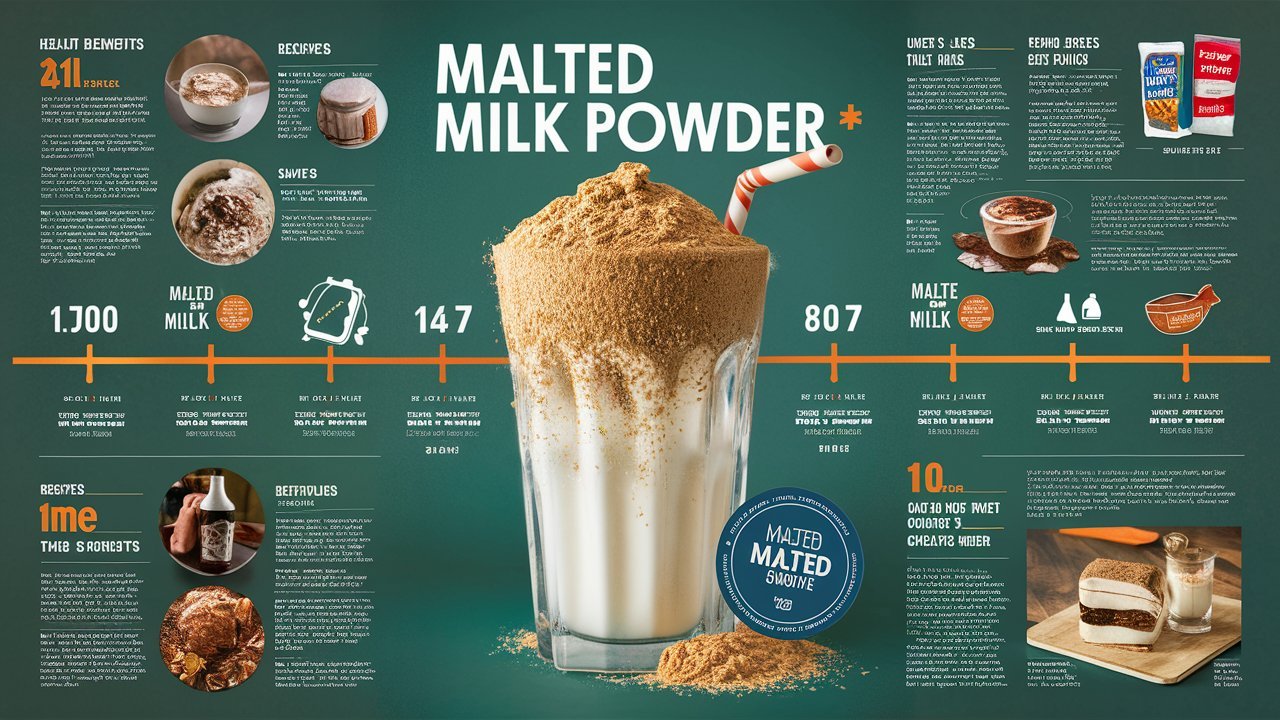
Malted milk powder is a versatile and flavorful ingredient that has been cherished for over a century, blending the richness of milk with the natural sweetness of malted grains. Originally developed as a nutritional supplement, malted milk powder has evolved into a beloved culinary component used in beverages, baked goods, desserts, and even savory recipes. Its unique combination of nutrients, flavor, and texture makes it a staple in many kitchens around the world. This comprehensive article explores the origins, production, uses, health benefits, and practical applications of malted milk powder, providing an in-depth resource for food enthusiasts, bakers, and health-conscious individuals.
What Is Malted Milk Powder
Malted milk powder is a powdered product made from a blend of malted barley, wheat flour, and whole milk that has been evaporated and ground into a fine, shelf-stable powder. The malted grains are germinated, dried, and roasted to develop a sweet, nutty flavor known as maltiness, which gives malted milk its characteristic taste.
Unlike regular milk powder, the addition of malted grains provides not only flavor but also natural sugars, enzymes, and carbohydrates that enhance the texture and aroma of recipes. This combination makes malted milk powder a popular ingredient in both beverages and baked goods.
History and Origins of Malted Milk Powder
The concept of malted milk powder dates back to the late 19th century when it was initially created as a nutritious food supplement for infants and children. The combination of malted barley and milk offered a calorie-dense, easily digestible product rich in essential nutrients. Over time, malted milk powder gained popularity as a flavoring agent in beverages, particularly milkshakes and malts, and became a household staple.
Its use expanded further in desserts, chocolate confections, and baked goods. Today, malted milk powder is a symbol of nostalgia, often associated with classic shakes, malted chocolates, and retro-style recipes.
How Malted Milk Powder Is Made
Malted Grain Preparation
The production of malted milk powder begins with germinating barley or wheat grains to convert starches into sugars. This process enhances the natural sweetness and develops complex flavors that define the malted taste. The grains are then dried and roasted to lock in flavor and prevent spoilage.
Milk Processing and Powder Formation
Whole milk is evaporated to remove moisture and then finely ground into a powder. The malted grain flour is then blended with the milk powder to create a uniform mixture. The resulting malted milk powder is shelf-stable, nutrient-rich, and ready for use in cooking or beverages.
Culinary Uses of Malted Milk Powder
Beverages and Milkshakes
Malted milk powder is famously used to make classic malted milkshakes, where its rich, slightly sweet, and nutty flavor enhances milk, ice cream, and other ingredients. It can also be added to hot chocolate, coffee, and smoothies for depth and creaminess.
Baked Goods and Desserts
Bakers use malted milk powder to enhance the flavor of cookies, cakes, brownies, and pie crusts. The malt contributes a subtle sweetness and complexity that elevates simple recipes. It is particularly popular in chocolate-based desserts, where it complements cocoa and intensifies flavor.
Other Culinary Applications
Malted milk powder can also be incorporated into pancake and waffle batters, homemade granola, puddings, and even some savory dishes where a hint of sweetness is desired. Its versatility makes it a valuable ingredient for both professional chefs and home cooks.
Nutritional Profile of Malted Milk Powder
Malted milk powder is a source of carbohydrates, proteins, and essential vitamins and minerals. It provides energy through naturally occurring sugars from malted grains and lactose from milk. The combination of protein and calcium supports bone health, while malted grains offer trace minerals like magnesium and phosphorus.
Though it is nutritious, malted milk powder should be consumed in moderation, particularly in sweetened beverages and desserts, due to its caloric content.
Health Benefits of Malted Milk Powder
Energy and Digestive Support
Malted milk powder provides quick energy from its carbohydrate content and may support digestive health due to the enzymatic activity in malted grains. Historically, it was used as a dietary supplement for growing children and individuals needing additional nutrition.
Bone Health and Protein Content
The milk component supplies calcium and protein, essential for maintaining strong bones, teeth, and muscle function. Regular, moderate consumption can contribute to overall nutritional balance, especially in combination with other nutrient-rich foods.
Malted Milk Powder vs Other Milk Powders
Unlike regular milk powder, malted milk powder contains malted grains, which give it unique flavor, sweetness, and functional properties in recipes. It differs from instant malt beverages by not being pre-sweetened or pre-mixed, allowing for greater control over taste and texture in culinary applications.
Tips for Using Malted Milk Powder
-
Beverage Mixing: Dissolve in warm milk or blend with ice cream for classic malts and shakes.
-
Baking Enhancement: Replace a portion of flour with malted milk powder to enhance flavor and browning in baked goods.
-
Flavor Layering: Combine with chocolate, nuts, or spices to deepen sweetness and complexity in desserts.
-
Storage: Keep in an airtight container in a cool, dry place to maintain freshness and prevent clumping.
Why Malted Milk Powder Remains Popular
The enduring popularity of malted milk powder lies in its unique flavor profile, versatility, and nostalgic appeal. From classic milkshakes to sophisticated baked goods, it continues to inspire culinary creativity. Its combination of taste, nutrition, and functionality ensures that it remains a cherished ingredient in both traditional and modern kitchens.
Conclusion
Malted milk powder is far more than a simple flavoring agent; it is a historically rich, nutritionally valuable, and incredibly versatile ingredient. Whether used in beverages, desserts, or baked goods, it adds depth, sweetness, and a unique malted flavor that cannot be easily replicated. With proper storage and thoughtful use, malted milk powder enhances both everyday cooking and gourmet creations, making it a timeless staple in kitchens worldwide.
Frequently Asked Questions (FAQ)
What is malted milk powder made from?
Malted milk powder is made from malted barley or wheat flour combined with evaporated milk powder, creating a nutrient-rich, flavorful ingredient.
Can malted milk powder be used in baking?
Yes, it can enhance cookies, cakes, brownies, and pie crusts, providing natural sweetness, flavor depth, and improved browning.
Is malted milk powder healthy?
It provides carbohydrates, protein, calcium, and trace minerals. While nutritious, it should be used in moderation, especially in sweet recipes.
How do I make a classic malted milkshake?
Blend ice cream, milk, and malted milk powder until smooth. Adjust the quantity of malt powder for desired sweetness and flavor intensity.
Does malted milk powder contain gluten?
Yes, since it is made from malted barley or wheat flour, it contains gluten and is not suitable for individuals with celiac disease or gluten intolerance.