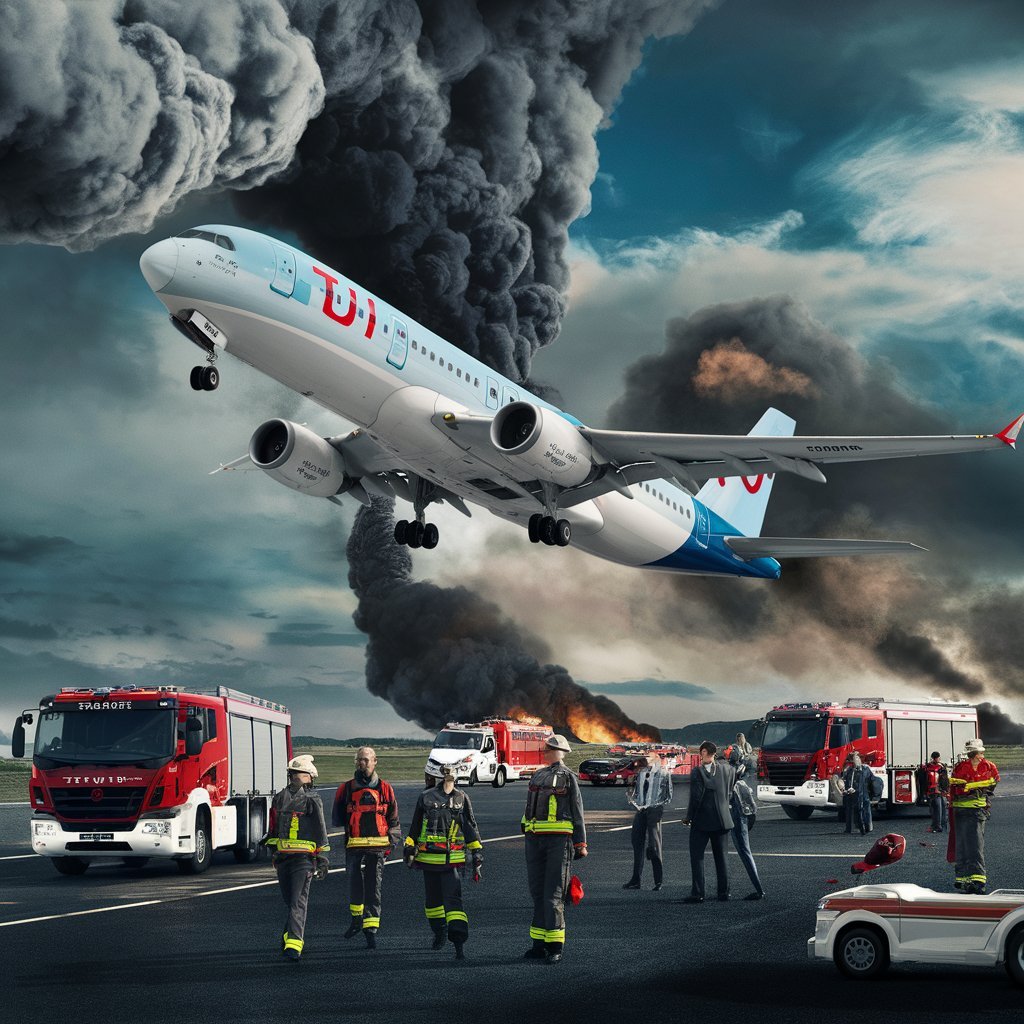
The incident involving TUI Flight BY6754 emergency landing captured public attention and raised important questions about aviation safety, airline procedures, and passenger protection. Emergency landings, while rare, are a critical part of modern aviation operations and demonstrate how airlines, pilots, and air traffic control work together to prioritize safety above all else. By examining the circumstances surrounding the emergency landing of TUI Flight BY6754, we gain a clearer understanding of how such situations are handled, what passengers experience during these events, and why emergency protocols exist to ensure the safest possible outcome.
Overview of TUI Flight BY6754
Tui flight by6754 emergency landing was operating as a commercial passenger service under standard aviation regulations, following established flight planning, safety checks, and operational guidelines. Like all commercial flights, the aircraft was subject to continuous monitoring from departure to arrival. During the course of the journey, a situation arose that required the flight crew to make the decision to perform an emergency landing. Such decisions are never taken lightly and are based on real-time assessments of aircraft systems, weather conditions, and overall flight safety.
An emergency landing does not automatically imply immediate danger, but rather reflects a precautionary response designed to prevent potential risks from escalating. In the case of TUI Flight BY6754, the crew followed protocol by communicating with air traffic control and preparing the aircraft for a controlled and safe descent to the nearest suitable airport.
Reasons Behind Emergency Landings
Emergency landings can occur for a variety of reasons, and the TUI Flight BY6754 emergency landing highlights how aviation safety systems are designed to respond effectively to unexpected situations. Common reasons include technical alerts, unusual instrument readings, medical emergencies involving passengers, or environmental factors that could affect continued flight. Modern aircraft are equipped with advanced warning systems that allow pilots to detect irregularities early, often before they pose any real threat.
When such alerts occur, pilots are trained to assess the severity of the issue and choose the safest course of action. In many cases, an emergency landing is a preventive measure, ensuring that the aircraft is on the ground where maintenance teams and emergency services can respond immediately if needed. This proactive approach reflects the aviation industry’s strong safety culture.
Pilot Decision-Making and Crew Coordination
The successful handling of the TUI Flight BY6754 emergency landing underscores the importance of pilot training and crew coordination. Pilots undergo rigorous and continuous training to manage abnormal and emergency scenarios, often practicing such situations in simulators multiple times a year. This preparation allows them to remain calm, focused, and methodical under pressure.
Cabin crew members also play a vital role during emergency situations. They are responsible for keeping passengers informed, ensuring cabin safety, and preparing the aircraft for landing if required. Clear communication between the cockpit and cabin helps maintain order and reduces anxiety among passengers. The coordinated response seen in incidents like this demonstrates how teamwork is central to aviation safety.
Passenger Experience During an Emergency Landing
For passengers, an emergency landing can be an unsettling experience, even when handled smoothly. Unfamiliar announcements, changes in flight path, and the presence of emergency services on the runway can naturally cause concern. However, airlines like TUI follow strict communication protocols designed to keep passengers informed without causing unnecessary alarm.
Passengers are typically instructed to remain seated, follow crew instructions, and prepare for landing in a calm and orderly manner. While the term “emergency” can sound alarming, most such landings conclude safely, with passengers disembarking normally after the aircraft reaches the gate or a designated area. The experience serves as a reminder of the importance of following safety briefings and crew guidance at all times.
Role of Air Traffic Control and Ground Services
Air traffic control plays a crucial role in managing situations like the TUI Flight BY6754 emergency landing. Once informed of an issue, controllers prioritize the aircraft, clear airspace, and coordinate runway availability to ensure a smooth and rapid landing. Ground emergency services are placed on standby as a precaution, ready to respond if assistance is required.
This coordinated effort between pilots, controllers, and airport authorities ensures that emergency landings are conducted with maximum efficiency and minimal disruption. The presence of emergency vehicles is a standard safety measure and does not necessarily indicate a severe incident, but rather a readiness to respond instantly if needed.
Aircraft Safety Systems and Preventive Measures
Modern commercial aircraft are built with multiple layers of redundancy, allowing them to continue operating safely even if one system experiences a fault. The TUI Flight BY6754 emergency landing demonstrates how these systems work in practice, alerting pilots early and providing them with accurate information to guide decision-making.
Regular maintenance, pre-flight inspections, and real-time monitoring all contribute to preventing small issues from becoming serious problems. Emergency landings are part of this safety framework, representing a controlled response rather than a failure. The aviation industry continuously analyzes such events to improve procedures, technology, and training.
Aftermath and Airline Response
Following an emergency landing, airlines conduct thorough inspections and reviews to identify the cause and ensure that the aircraft meets all safety standards before returning to service. In the case of TUI Flight BY6754, standard procedures would include technical checks, data analysis, and internal reporting to aviation authorities if required.
Airlines also focus on passenger care, offering assistance, rebooking options, and clear communication. This response is essential for maintaining trust and transparency, reinforcing the airline’s commitment to safety and customer well-being.
Conclusion
The TUI Flight BY6754 emergency landing serves as a clear example of how aviation safety systems are designed to protect passengers and crew under all circumstances. Emergency landings are not signs of failure, but evidence of a proactive and disciplined approach to risk management. Through advanced technology, professional training, and coordinated response, airlines ensure that even unexpected situations are handled with precision and care. Understanding these processes helps passengers appreciate the depth of preparation behind every flight and the unwavering priority placed on safety in modern air travel.