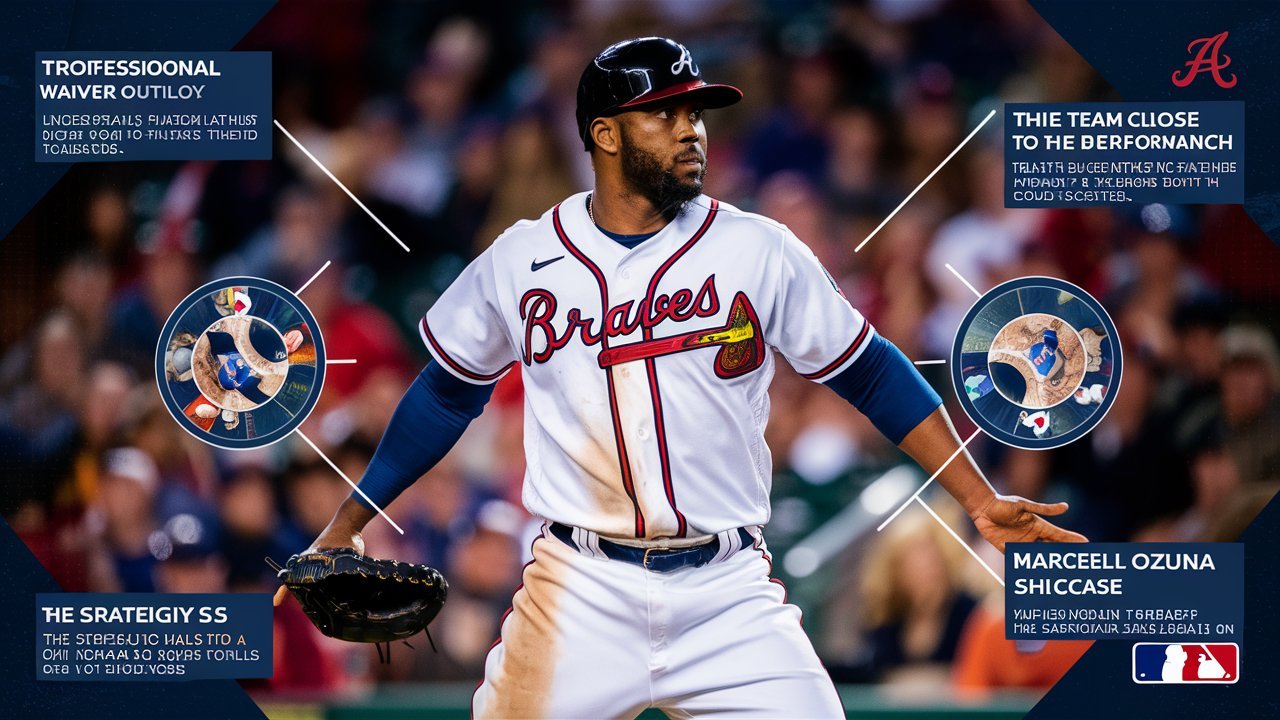
The discussion surrounding Braves Marcell Ozuna waiver candidate speculation reflects broader questions about roster construction, financial flexibility, and long-term competitiveness. As a veteran power hitter for the Atlanta Braves, Marcell Ozuna has experienced periods of both offensive dominance and inconsistency, fueling debate about his future role within the organization. In Major League Baseball, waiver decisions rarely revolve around a single factor; they involve performance metrics, contract commitments, clubhouse chemistry, and evolving team priorities. Analyzing whether Ozuna fits into Atlanta’s strategic framework requires a detailed evaluation of statistics, salary structure, and lineup balance.
Marcell Ozuna’s Offensive Performance Trends
When evaluating whether Marcell Ozuna is a waiver candidate, performance trends become central to the conversation. Ozuna’s value traditionally stems from power production, measured through home runs, slugging percentage, and RBIs. During peak stretches, he has demonstrated the ability to anchor the middle of the lineup, delivering clutch hits and consistent extra-base production. However, fluctuations in batting average, on-base percentage, and strikeout rate have raised concerns about long-term consistency.
Advanced metrics provide deeper insight into his offensive profile. Exit velocity, hard-hit rate, and barrel percentage often indicate whether power output is sustainable or streak-dependent. When these indicators remain strong, teams are less inclined to consider waiver placement despite short-term slumps. Conversely, declining contact quality and rising strikeout percentages intensify roster debates.
For the Braves, lineup balance is critical. If Ozuna’s production aligns with postseason aspirations, his roster spot becomes secure. If inconsistencies outweigh power contributions, management may explore alternative solutions.
Contract Structure and Financial Considerations
One of the most significant components in the Braves Marcell Ozuna waiver candidate discussion involves contractual obligations. MLB front offices carefully assess payroll flexibility when determining whether to designate a veteran for assignment or explore waiver options. Ozuna’s contract value, remaining guarantees, and luxury tax implications directly influence strategic decisions.
If the Braves aim to allocate resources toward pitching depth, defensive reinforcements, or emerging talent extensions, payroll adjustments become necessary. Waiver placement does not always signal performance dissatisfaction; sometimes it reflects financial recalibration. In competitive divisions, every dollar saved can support deadline acquisitions or long-term extensions for cornerstone players.
Atlanta’s front office historically prioritizes balanced investment between offensive firepower and pitching reliability. Evaluating Ozuna’s cost-to-production ratio remains a central factor in waiver speculation.
Defensive Limitations and Positional Flexibility
While Ozuna’s bat often commands headlines, defensive metrics also shape roster strategy. Primarily utilized as a designated hitter in recent seasons, his limited defensive range affects lineup flexibility. Teams increasingly value multi-positional players capable of rotating seamlessly across the field.
If younger outfield prospects demonstrate defensive superiority while providing comparable offensive output, the Braves may reassess Ozuna’s role. Roster optimization demands adaptability, and designated hitter specialization can limit in-game adjustments. In tight playoff races, defensive versatility frequently proves decisive.
Trade Rumors and Market Dynamics
Whenever waiver speculation arises, trade rumors inevitably follow. The phrase Marcell Ozuna waiver candidate frequently intersects with midseason trade conversations. Rival teams seeking power depth may evaluate Ozuna as a short-term offensive solution, particularly if the Braves absorb portions of his contract.
Market demand significantly influences waiver outcomes. If multiple teams express interest, Atlanta gains leverage in negotiation scenarios. However, if production metrics decline or contract size deters suitors, waiver placement becomes riskier.
Timing also matters. Pre-deadline waiver discussions differ from offseason restructuring, as contenders prioritize immediate impact while rebuilding teams focus on long-term financial flexibility.
Impact on Braves Lineup Chemistry and Playoff Aspirations
Team chemistry plays an understated yet vital role in roster decisions. Ozuna’s clubhouse presence and veteran experience contribute intangible value beyond statistical output. In high-pressure postseason environments, experienced hitters often deliver critical at-bats that shift momentum.
The Braves’ championship aspirations hinge on maintaining offensive depth while reinforcing pitching stability. Removing a power bat from the lineup alters strategic dynamics, especially in series against elite pitching rotations. Management must weigh emotional continuity against numerical efficiency when evaluating waiver scenarios.
Comparative Analysis: Production vs Replacement Options
Determining whether Ozuna qualifies as a genuine waiver candidate requires comparing his output to internal and external alternatives. If emerging prospects or bench contributors demonstrate similar slugging metrics with lower salary commitments, the financial logic of a waiver move strengthens.
However, if Ozuna continues producing above-league-average power numbers, the strategic risk of losing offensive depth may outweigh cost savings. Replacement-level comparisons frequently determine final decisions in MLB front offices.
Long-Term Outlook for Marcell Ozuna and the Braves
Looking ahead, the Atlanta Braves waiver decisions regarding Ozuna reflect broader organizational priorities. Are they optimizing for immediate championship contention, or recalibrating for sustained multi-year dominance? Ozuna’s future depends on this directional clarity.
If he maintains power production and situational hitting efficiency, waiver discussions may fade. If inconsistencies persist, management could explore contract restructuring, trade facilitation, or strategic release options.
In professional baseball, roster fluidity remains constant. Veteran players must continually validate value within evolving team ecosystems.
Conclusion: Evaluating the Braves Marcell Ozuna Waiver Candidate Debate
The Braves Marcell Ozuna waiver candidate conversation underscores the intricate balance between performance, financial strategy, and competitive ambition. Ozuna’s power potential, contractual considerations, and defensive profile collectively shape management decisions. While speculation persists, definitive outcomes depend on sustained offensive metrics and the Braves’ broader strategic roadmap. Ultimately, waiver candidacy in Major League Baseball reflects calculated evaluation rather than emotional reaction. Whether Ozuna remains a central figure in Atlanta’s lineup or becomes part of a roster adjustment, his impact on the Braves’ competitive trajectory remains significant.
FAQ: Braves Marcell Ozuna Waiver Candidate
Why is Marcell Ozuna considered a waiver candidate?
Speculation arises from performance fluctuations, salary commitments, and roster flexibility considerations.
Does waiver placement mean the Braves are releasing him immediately?
Not necessarily. Waiver designation allows other teams to claim a player or facilitates potential trades.
How does Ozuna’s contract influence waiver discussions?
Guaranteed salary and payroll allocation significantly impact strategic roster decisions.
Could the Braves trade Ozuna instead of placing him on waivers?
Yes, trade options often precede waiver moves if market interest exists.
What determines whether Ozuna stays with the Braves?
Sustained offensive production, financial feasibility, and overall roster strategy ultimately decide his status.