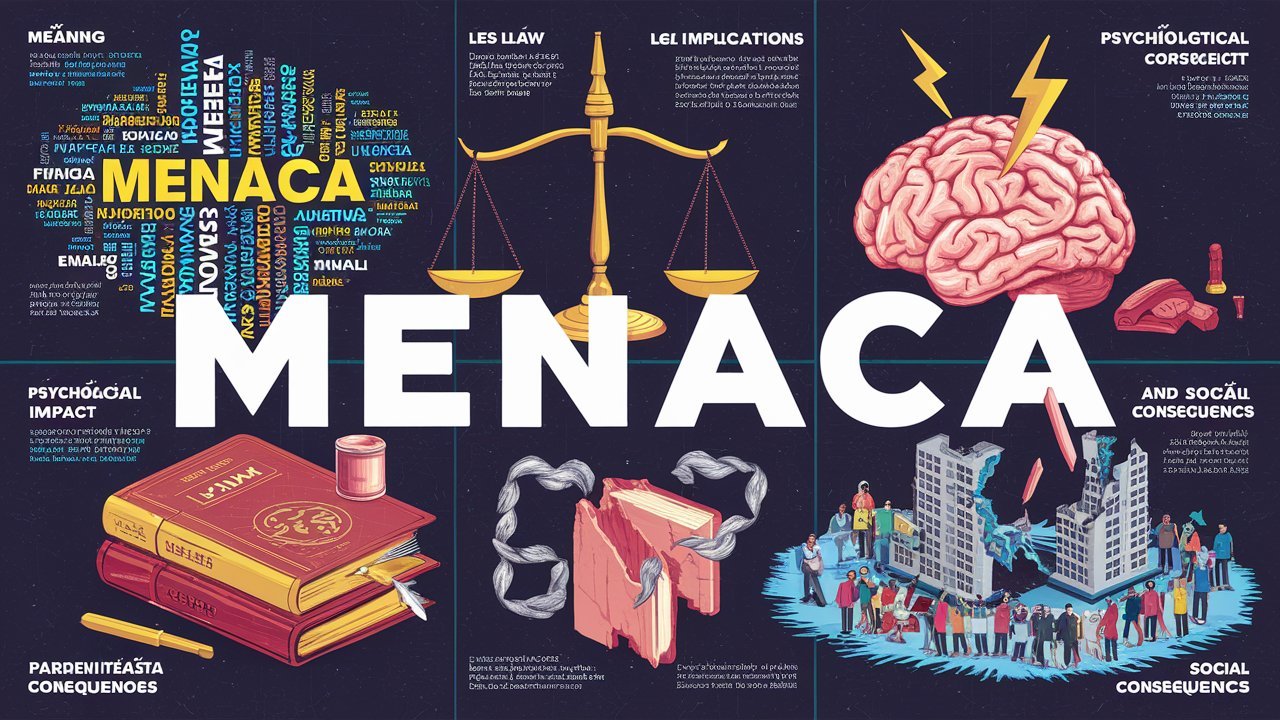
The term menaça, derived from Romance languages such as Portuguese and Catalan, translates to “threat” in English. Although simple in definition, the concept of menaça carries profound implications in legal systems, interpersonal relationships, digital environments, and societal structures. A menaça can be verbal, written, symbolic, or implied, and it may cause fear, emotional distress, or tangible harm. In modern society—where communication flows instantly across borders through social media, messaging platforms, and public discourse—the scope of what constitutes a threat has expanded significantly. Understanding the meaning, classifications, legal ramifications, and psychological impact of menaça is essential for individuals, organizations, and institutions seeking to protect rights, maintain safety, and promote responsible communication. This comprehensive guide explores the topic in depth, offering clarity on how menaça operates across personal, legal, and digital landscapes.
SEO-Optimized Title Ideas with Keyword Explanation
1. Menaça Explained: Definition, Legal Meaning, and Real-World Examples
Keywords Used: Menaça, definition, legal meaning, real-world examples
This title targets informational searches from readers seeking a clear explanation and practical understanding.
2. Understanding Menaça: Types of Threats and Their Legal Consequences
Keywords Used: Understanding menaça, types of threats, legal consequences
This headline captures search intent related to criminal law and legal accountability.
3. Menaça in Modern Society: Psychological and Social Impact of Threats
Keywords Used: Menaça, modern society, psychological impact, social impact
Ideal for readers exploring emotional and societal dimensions of threatening behavior.
4. Digital Menaça: Online Threats, Cyber Harassment, and Legal Protection
Keywords Used: Digital menaça, online threats, cyber harassment, legal protection
Optimized for high-interest topics involving social media and digital communication.
5. What Constitutes a Menaça? Legal Definitions and Preventive Measures
Keywords Used: What constitutes a menaça, legal definitions, preventive measures
This title addresses legal clarity and practical solutions.
What Is Menaça? A Comprehensive Definition
At its core, menaça refers to an expression of intent to cause harm, damage, or loss to another individual, group, or entity. The threat may target physical safety, property, reputation, or psychological well-being. In legal contexts, menaça often qualifies as a punishable offense when it creates legitimate fear or demonstrates credible intent to carry out harm.
A menaça does not always require physical action; words alone may suffice if they reasonably instill fear. The seriousness of the threat, the circumstances under which it is delivered, and the perceived capability of the person issuing it all contribute to determining whether a statement constitutes a criminal act. Courts typically evaluate context, tone, history between parties, and evidence supporting the claim of intimidation.
Types of Menaça
1. Verbal Menaça
Verbal threats occur when a person explicitly states an intention to harm another. These statements may be delivered face-to-face, over the phone, or in recorded communication. Even without physical action, a verbal menaça can generate psychological trauma and may lead to criminal charges depending on severity and credibility.
2. Written Menaça
Written threats include letters, emails, text messages, and social media posts. Digital communication has significantly increased the prevalence of written menaça, as anonymity and distance sometimes embolden individuals to issue harmful statements. Documentation of written threats often serves as critical evidence in legal proceedings.
3. Physical or Implied Menaça
A threat may also be communicated through gestures, body language, or symbolic actions. Displaying a weapon during a confrontation or sending an object meant to intimidate may constitute an implied menaça. The absence of spoken words does not eliminate liability if intent to intimidate is clear.
4. Digital Menaça and Cyber Threats
The rise of social media and online communities has given birth to digital menaça, including cyberbullying, doxxing threats, hacking threats, and coordinated harassment campaigns. Online threats can spread rapidly, intensifying emotional harm and reputational damage. Legal systems worldwide are adapting to address cyber intimidation effectively.
Legal Implications of Menaça
In many jurisdictions, menaça falls under criminal law as a punishable offense when it causes fear of imminent harm. Legal definitions often require that the threat be credible, intentional, and capable of producing psychological distress. Some systems distinguish between minor threats and aggravated threats, with harsher penalties imposed when weapons, hate motives, or repeated harassment are involved.
Protective measures such as restraining orders, injunctions, and criminal prosecution may be available to victims. The severity of punishment typically depends on the seriousness of the threat, prior criminal history, and resulting harm. Legal consequences may include fines, probation, imprisonment, or mandated counseling programs.
Psychological Impact of Menaça
Threats extend beyond legal definitions; they profoundly affect mental and emotional health. Victims of menaça may experience anxiety, insomnia, hypervigilance, and long-term trauma. The fear generated by persistent threats can disrupt daily routines, damage personal relationships, and impair professional productivity.
In cases of repeated intimidation, psychological harm may mirror symptoms associated with post-traumatic stress. The uncertainty surrounding whether a threat will be carried out intensifies emotional distress. Mental health support, counseling, and community assistance are often essential in restoring stability and resilience.
Social Consequences and Public Safety
When threats become widespread, they undermine social trust and community stability. Public figures, educators, journalists, and corporate leaders frequently face menaça in professional contexts, affecting open dialogue and freedom of expression. Societies that tolerate threatening behavior risk normalizing intimidation as a communication strategy.
Maintaining safe public spaces—both physical and digital—requires strict enforcement of anti-threat legislation and proactive educational initiatives. Schools, workplaces, and online platforms must establish clear policies against threatening behavior to preserve respectful interaction and prevent escalation.
Preventive Measures Against Menaça
Prevention begins with awareness and responsible communication. Clear boundaries, respectful dialogue, and conflict resolution strategies reduce the likelihood of threatening exchanges. Digital literacy education teaches individuals how to recognize, report, and avoid engaging in harmful online interactions.
Organizations can implement internal reporting mechanisms, provide employee training, and promote zero-tolerance policies for intimidation. For individuals facing threats, documenting evidence, contacting authorities, and seeking legal advice are critical steps toward protection.
Freedom of Expression vs. Menaça
A nuanced issue arises when distinguishing between protected speech and unlawful threats. While freedom of expression safeguards open discussion and criticism, it does not protect credible threats of violence or harm. Courts often examine whether a reasonable person would interpret a statement as a genuine intention to cause damage.
Balancing these principles ensures that democratic dialogue thrives without permitting intimidation. Clear legal standards help define boundaries while preserving fundamental rights.
Conclusion
Menaça represents far more than a simple expression of hostility; it embodies a serious legal, psychological, and social issue with wide-ranging consequences. Whether delivered verbally, in writing, physically, or digitally, threats can create profound emotional distress and undermine public safety. Legal frameworks provide mechanisms for accountability, while preventive strategies promote respectful communication and community well-being. As digital connectivity continues expanding global interaction, understanding the scope and implications of menaça becomes increasingly essential. By fostering awareness, enforcing clear regulations, and encouraging responsible discourse, societies can protect individuals while preserving fundamental freedoms.
Frequently Asked Questions (FAQ)
1. What does menaça mean in English?
Menaça translates to “threat,” referring to an expression of intent to cause harm or damage.
2. Is a verbal threat considered a crime?
In many legal systems, a verbal threat can be criminal if it creates reasonable fear of imminent harm.
3. What is digital menaça?
Digital menaça involves online threats, including cyber harassment, bullying, and intimidation through digital platforms.
4. How can someone respond to a threat?
Document evidence, avoid confrontation, report the incident to authorities, and seek legal or professional advice.
5. Can threats impact mental health?
Yes, threats often cause anxiety, stress, emotional trauma, and long-term psychological effects.