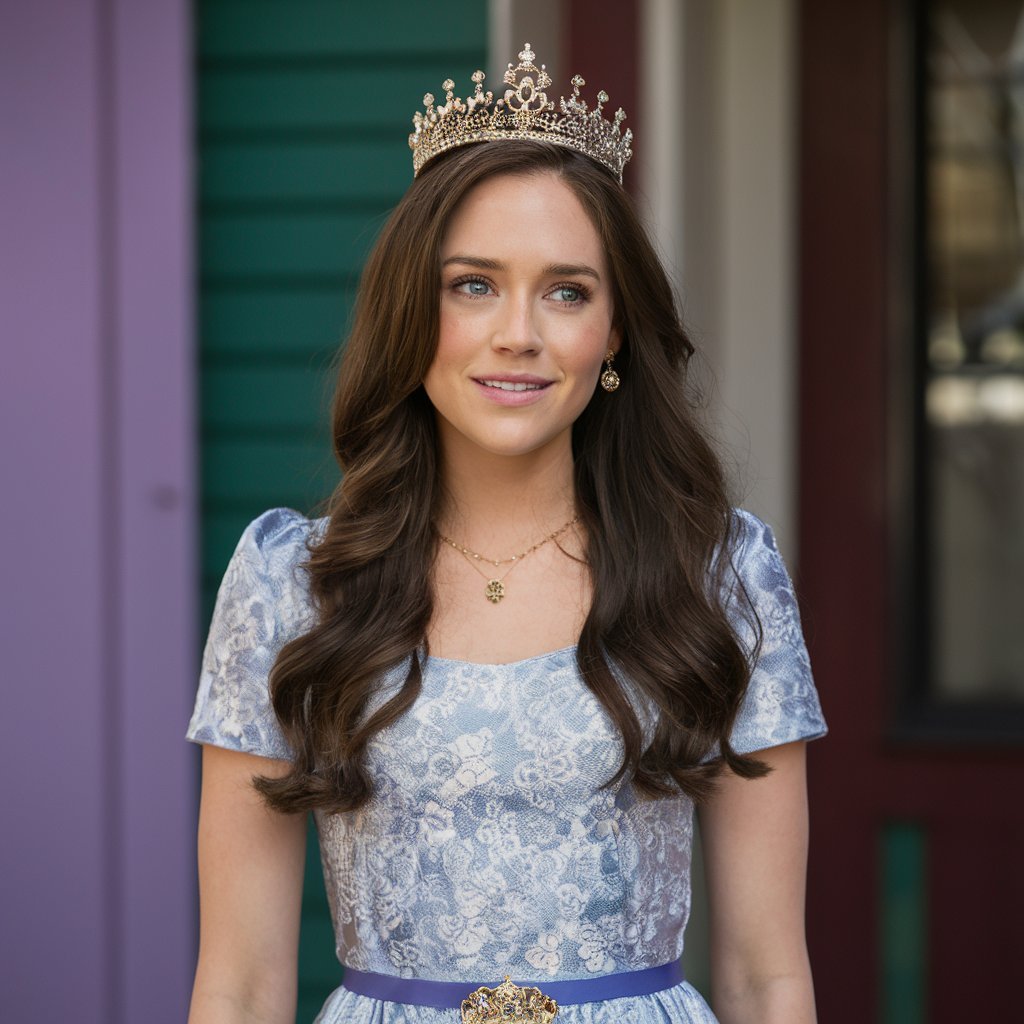
Few stories have captured the hearts of readers and moviegoers quite like The Princess Diaries. Originally written by Meg Cabot, this beloved teen fiction series tells the story of an ordinary teenage girl who discovers she is the heir to a European throne. The tale of awkward adolescence, unexpected royalty, and personal growth resonated deeply with audiences around the world. When Disney adapted the story into a film starring Anne Hathaway and Julie Andrews, it became an instant classic, redefining the modern Disney princess movie for a new generation.
The Princess Diaries is more than just a fairy tale—it’s a coming-of-age story about identity, confidence, and transformation. It explores what happens when a shy, clumsy teenager is thrust into the spotlight and must learn to balance her normal life with royal responsibilities. Both the Princess Diaries book series and the Princess Diaries movie franchise have left a lasting cultural impact, inspiring countless young readers and viewers to embrace their individuality and inner strength.
The Origins of The Princess Diaries: Meg Cabot’s Vision
The story of The Princess Diaries began with author Meg Cabot, who published the first book in 2000. The novel introduced readers to Mia Thermopolis, a socially awkward high school student living in New York City who suddenly learns that she is the princess of Genovia, a fictional European country. Cabot’s writing combined humor, heart, and relatability, making Mia one of the most endearing protagonists in teen fiction.
Meg Cabot’s inspiration for the series came from her own experiences and her fascination with the idea of an ordinary person discovering extraordinary circumstances. Through Mia’s diary entries, Cabot created a deeply personal and authentic voice that resonated with readers. The Princess Diaries book series eventually expanded to include multiple sequels, novellas, and spin-offs, chronicling Mia’s journey from an insecure teenager to a confident young woman and future queen.
The success of the books was driven by their honesty and humor. Cabot didn’t shy away from portraying the awkwardness of adolescence, the challenges of self-discovery, and the pressures of growing up. The series became a cornerstone of early 2000s young adult literature, influencing a generation of readers and paving the way for other coming-of-age stories in the genre.
The Princess Diaries Movie: Disney’s Royal Transformation
In 2001, Disney brought The Princess Diaries to the big screen, transforming Meg Cabot’s beloved novel into a cinematic phenomenon. Directed by Garry Marshall, the film starred Anne Hathaway in her breakout role as Mia Thermopolis and Julie Andrews as Queen Clarisse Renaldi, Mia’s regal grandmother. The movie captured the essence of Cabot’s story while adding its own charm, humor, and heartwarming moments.
The Princess Diaries movie follows Mia as she navigates the challenges of high school while learning royal etiquette under her grandmother’s guidance. The film’s central theme of transformation—both physical and emotional—struck a chord with audiences. Mia’s journey from a shy, frizzy-haired teenager to a poised princess symbolized the universal struggle of finding one’s identity and embracing change.
Anne Hathaway’s portrayal of Mia was widely praised for its authenticity and relatability. Her performance perfectly balanced awkward humor with emotional depth, making Mia one of the most beloved characters in Disney princess films. Julie Andrews, already a cinematic icon from classics like Mary Poppins and The Sound of Music, brought elegance and warmth to the role of Queen Clarisse, creating a dynamic and memorable grandmother-granddaughter relationship.
The film’s success led to a sequel, The Princess Diaries 2: Royal Engagement (2004), which continued Mia’s story as she prepared to take on her royal duties and navigate love and leadership. Together, the two films solidified The Princess Diaries as one of the most iconic princess movies of the 21st century.
Themes and Messages: A Modern Fairy Tale for Every Generation
At its core, The Princess Diaries is a story about self-acceptance, growth, and empowerment. Unlike traditional fairy tales where the heroine’s transformation is purely external, Mia’s journey is deeply internal. Her royal makeover may change her appearance, but her true transformation comes from learning to believe in herself and embrace her individuality.
The story also challenges conventional notions of what it means to be a princess. Instead of focusing solely on glamour and romance, The Princess Diaries emphasizes responsibility, kindness, and authenticity. Mia’s struggles with self-doubt, friendship, and family make her a relatable and realistic heroine. Her journey reflects the experiences of many young people who are learning to navigate the complexities of identity and self-worth.
Another key theme is the importance of mentorship and family. The relationship between Mia and her grandmother, Queen Clarisse, highlights the balance between tradition and modernity. Through their interactions, the story explores how wisdom and guidance can coexist with independence and individuality. This intergenerational dynamic adds emotional depth to both the Princess Diaries book series and the Princess Diaries movie adaptations.
The Cultural Impact of The Princess Diaries
Over two decades after its release, The Princess Diaries remains a cultural touchstone in both literature and film. The story’s blend of humor, heart, and empowerment continues to resonate with audiences of all ages. For many, it represents the perfect blend of teen fiction and Disney princess storytelling, bridging the gap between relatable adolescence and royal fantasy.
The success of The Princess Diaries movie also launched Anne Hathaway’s career, establishing her as one of Hollywood’s most versatile actresses. The film’s enduring popularity has led to ongoing discussions about a potential third installment, with fans eagerly awaiting the return of Mia Thermopolis and Queen Clarisse.
In the literary world, Meg Cabot’s Princess Diaries series remains a staple of young adult fiction. Its diary-style format has influenced countless authors and inspired similar works that explore the inner thoughts and emotions of teenage protagonists. The series’ humor, honesty, and optimism continue to attract new readers, proving that Mia’s story is timeless.
Beyond entertainment, The Princess Diaries has become a symbol of empowerment for young women. Its message—that anyone can be royal in their own way—encourages readers and viewers to embrace their uniqueness, pursue their dreams, and face challenges with courage and grace.
Conclusion
The Princess Diaries stands as one of the most beloved coming-of-age stories in modern pop culture. From Meg Cabot’s witty and heartfelt novels to Disney’s enchanting film adaptations starring Anne Hathaway, the story of Mia Thermopolis has inspired millions around the world. It’s a tale that celebrates transformation, self-discovery, and the power of believing in oneself.
More than two decades later, The Princess Diaries continues to captivate new generations of readers and viewers. Its blend of humor, heart, and royal charm ensures its place among the greatest princess movies and teen fiction classics of all time. Whether experienced through the pages of Meg Cabot’s books or the magic of Disney’s films, The Princess Diaries remains a timeless reminder that true royalty comes from within.
Frequently Asked Questions (FAQ)
1. What is The Princess Diaries about?
The Princess Diaries follows Mia Thermopolis, a shy teenager who discovers she is the heir to the throne of Genovia. The story explores her journey of self-discovery, confidence, and transformation as she learns to balance her normal life with royal responsibilities.
2. Who wrote The Princess Diaries book series?
The Princess Diaries was written by Meg Cabot, an American author known for her witty and relatable young adult fiction. The series began in 2000 and includes multiple sequels and spin-offs.
3. Who stars in The Princess Diaries movie?
The 2001 Princess Diaries movie stars Anne Hathaway as Mia Thermopolis and Julie Andrews as Queen Clarisse Renaldi. The film was directed by Garry Marshall and produced by Disney.
4. How many Princess Diaries movies are there?
There are two main films: The Princess Diaries (2001) and The Princess Diaries 2: Royal Engagement (2004). Discussions about a third installment have been ongoing, with fans eagerly anticipating its release.
5. What are the main themes of The Princess Diaries?
The story explores themes of self-acceptance, personal growth, family, and empowerment. It emphasizes that true beauty and royalty come from confidence, kindness, and authenticity.
6. Is The Princess Diaries based on a true story?
No, The Princess Diaries is a fictional story created by Meg Cabot. However, its relatable characters and realistic emotions make it feel authentic to readers and viewers.
7. Why is The Princess Diaries considered a classic?
The Princess Diaries is considered a classic because it combines humor, heart, and empowerment in a way that appeals to audiences of all ages. Its message of self-discovery and transformation continues to inspire new generations.