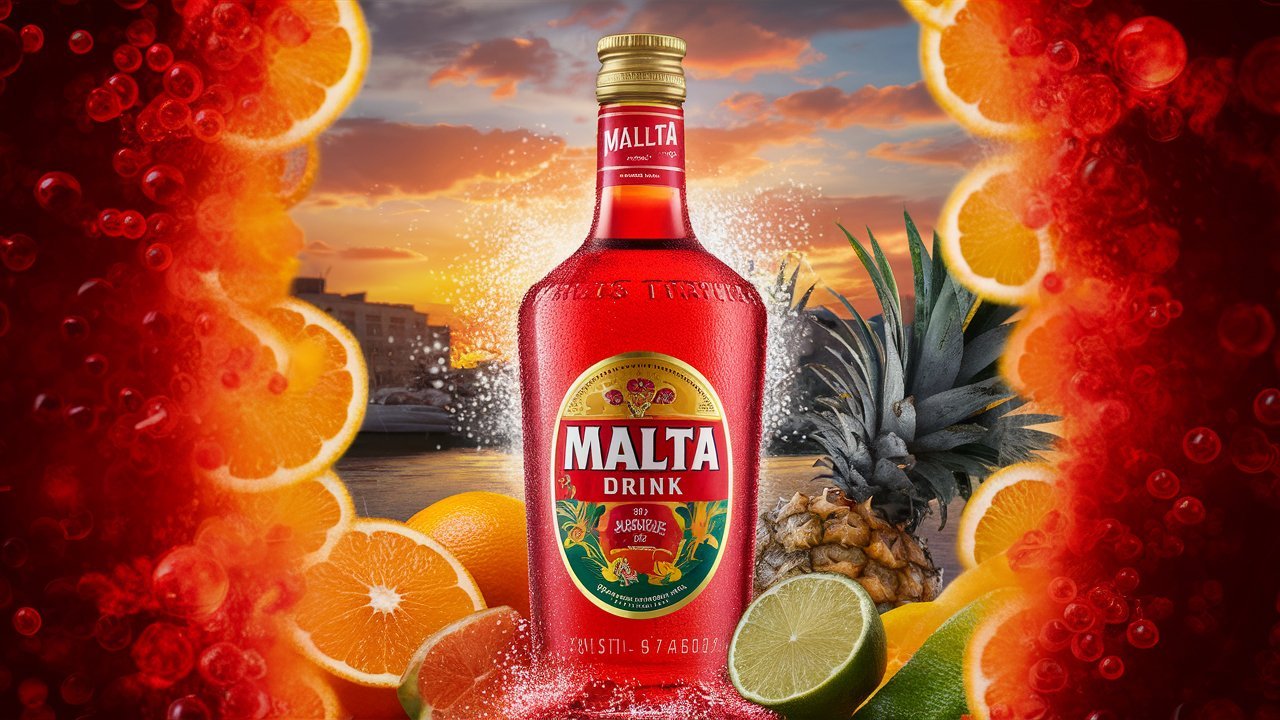
Malta drink is a popular non-alcoholic beverage known for its deep flavor, dark color, and strong connection to cultural traditions across the Caribbean, Latin America, and parts of Africa. Made primarily from malted barley, hops, water, and sometimes caramel or sugar, Malta drink offers a unique taste that is often described as slightly sweet, malty, and full-bodied. Although it shares ingredients with beer, Malta drink is either completely non-alcoholic or contains only trace amounts due to halted fermentation. Over time, it has become a household staple, enjoyed for both its flavor and its perceived nutritional value.
Origins and History of Malta Drink
The origins of Malta drink can be traced back to European malt beverages, which were later adapted and popularized in tropical regions. As these drinks spread through trade and migration, local cultures embraced and reshaped them to suit regional tastes. Malta drink gained strong popularity in the Caribbean and Latin America, where it became associated with everyday refreshment, family gatherings, and cultural identity. Its history reflects a blend of traditional brewing knowledge and local innovation, resulting in a beverage that feels both familiar and distinctive.
Ingredients and Production Process
The production of Malta drink begins with malted barley, which is steeped in water to extract natural sugars and flavor compounds. Unlike beer, the fermentation process is stopped early or avoided entirely, preventing the formation of significant alcohol. Caramelized sugars are often added to enhance color and sweetness, giving Malta its signature dark appearance. The final product is pasteurized and carbonated, creating a smooth yet fizzy drink that is rich in aroma and texture. This careful process ensures consistency and preserves the drink’s characteristic malty profile.
Flavor Profile and Texture
One of the defining features of Malta drink is its bold and complex flavor. The taste is dominated by malt sweetness, balanced with subtle bitterness from hops and a slightly roasted note from caramelized sugars. The texture is typically thick and smooth, with light carbonation that adds refreshment without overpowering the palate. This combination makes Malta drink satisfying and filling, often enjoyed slowly rather than consumed quickly like many soft drinks.
Nutritional Perception and Energy Benefits
Malta drink is widely perceived as a nourishing beverage due to its malt base, which contains carbohydrates and trace nutrients derived from grains. Many consumers associate it with energy and strength, making it a popular choice for athletes, children, and individuals needing a quick energy boost. While it should not replace balanced meals, Malta drink is often consumed as a supplemental refreshment that provides both taste and sustenance. Its reputation as a “strength drink” has helped maintain its popularity across generations.
Cultural Significance and Everyday Use
Culturally, Malta drink holds a special place in many communities. It is commonly served at family meals, celebrations, and social gatherings, often symbolizing hospitality and tradition. In some cultures, it is associated with childhood memories and comfort, while in others it is enjoyed as a refreshing alternative to soda. This emotional and cultural connection has allowed Malta drink to remain relevant despite changing beverage trends.
Popular Malta Drink Brands
Over the years, numerous brands have contributed to the global recognition of Malta drink. Each brand offers its own variation in sweetness, carbonation, and malt intensity, catering to diverse consumer preferences. These brands have helped introduce Malta drink to international markets, expanding its reach beyond its traditional regions and attracting new audiences curious about its distinctive taste.
Malta Drink vs. Other Malt Beverages
When compared to other malt-based beverages, Malta drink stands out due to its non-alcoholic nature and pronounced sweetness. Unlike malt liquors or beers, it is suitable for all age groups and social settings. This versatility makes it a unique category of drink that bridges the gap between soft drinks and traditional malt beverages, offering depth of flavor without alcohol content.
Modern Appeal and Global Reach
In modern markets, Malta drink continues to gain attention as consumers seek flavorful alternatives to standard sodas. Its rich taste and cultural authenticity appeal to those interested in global food and beverage experiences. As international distribution increases, Malta drink is becoming a recognizable product on shelves worldwide, appreciated for both its heritage and its distinctive character.
Conclusion
Malta drink is more than just a beverage; it is a reflection of tradition, craftsmanship, and cultural pride. With its deep malt flavor, non-alcoholic nature, and strong cultural roots, it offers a unique drinking experience that stands apart from conventional soft drinks. Whether enjoyed for its taste, its nostalgic value, or its perceived energy benefits, Malta drink continues to hold a meaningful place in households around the world.